 Chicago Location
 773-286-8111
 773-286-9213
 773-286-8111
 Make a Payment

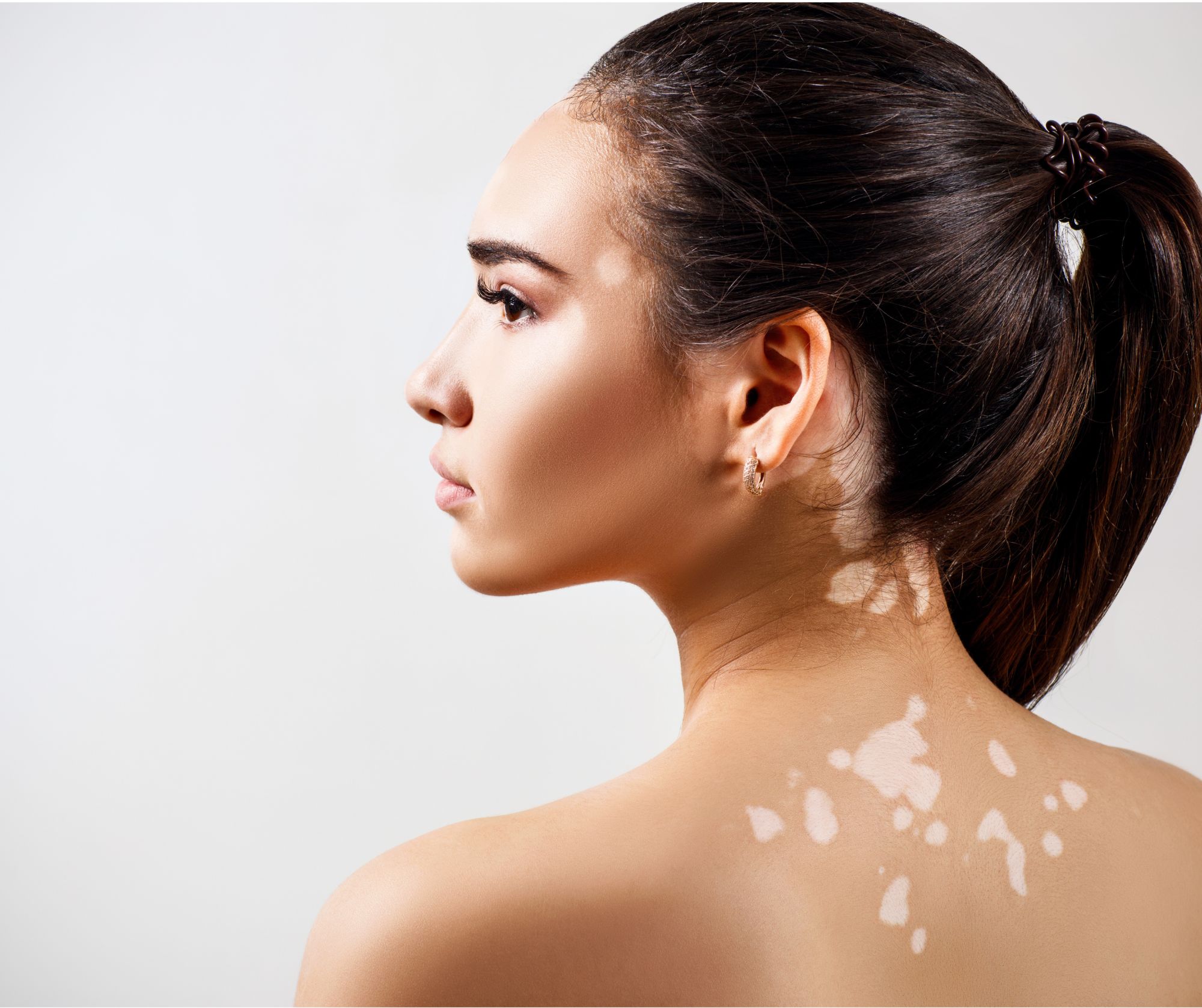
Vitiligo is a chronic skin condition that causes patches of skin to lose their natural pigment. While it isn’t contagious or physically harmful, vitiligo can significantly affect a person’s confidence, emotional well-being, and quality of life. Fortunately, advances in dermatology have expanded the range of effective treatment options available, giving many patients new opportunities to restore pigmentation and manage the condition more successfully than ever before.
If you’re considering vitiligo treatment in Chicago, understanding your options is the first step. From FDA-approved topical medications to advanced light therapies and personalized treatment plans, Chicago Skin Clinic offers more hope than ever for individuals living with vitiligo.
What Is Vitiligo?
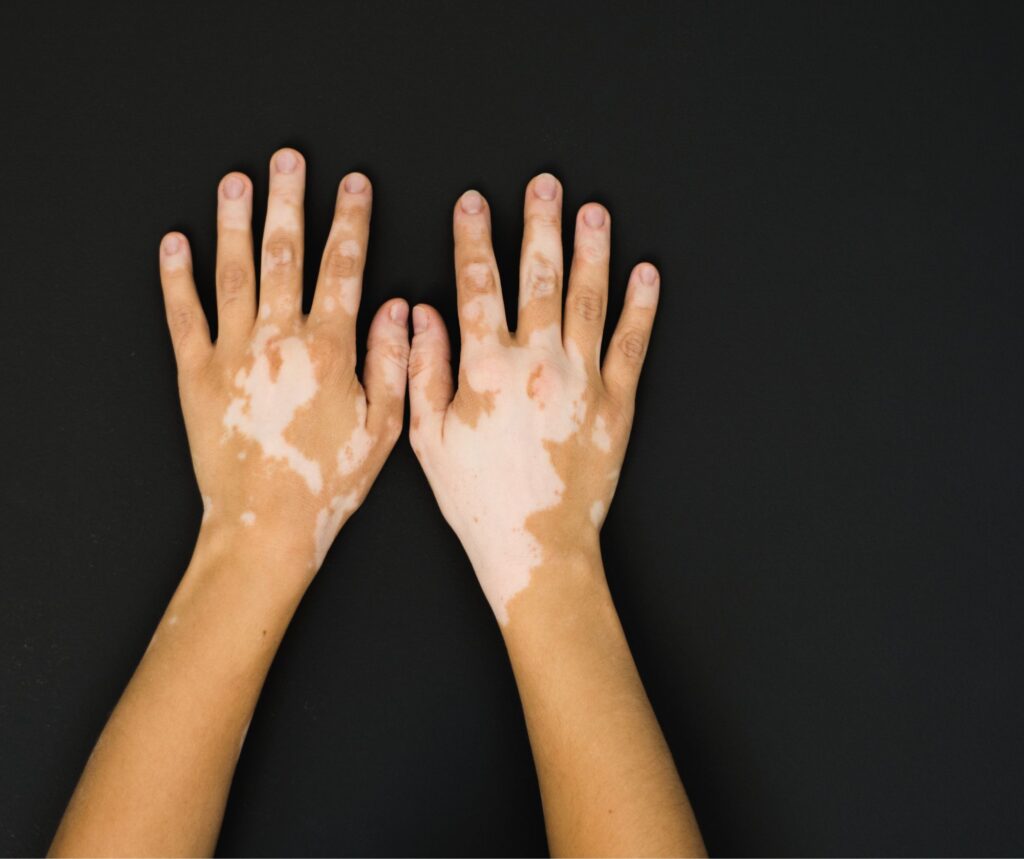
Vitiligo is an autoimmune condition in which the body’s immune system mistakenly attacks melanocytes, the cells responsible for producing melanin, the pigment that gives skin, hair, and eyes their color. As melanocytes are destroyed, white or lighter-colored patches begin to appear on the skin.
Vitiligo affects approximately 1% of the global population and can develop at any age, although many people notice their first symptoms before age 30. The condition affects people of all skin tones, but the contrast between affected and unaffected skin is often more noticeable in individuals with darker complexions.
While vitiligo is not dangerous or contagious, it is a lifelong condition that may progress gradually or remain stable for extended periods. Every patient’s experience is unique, making individualized treatment especially important.
What Causes Vitiligo?
Researchers continue to study the exact cause of vitiligo, but it is widely understood to be a multifactorial autoimmune disorder. Several factors may contribute to its development, including:
- An overactive immune response that attacks pigment-producing cells
- Genetic predisposition, as vitiligo can run in families
- Environmental triggers that may initiate or worsen symptoms
- Skin trauma or injury, known as the Koebner phenomenon
- Certain autoimmune diseases, including thyroid disorders, type 1 diabetes, and alopecia areata
Although stress is sometimes reported as a trigger for flare-ups, it is not considered a direct cause of vitiligo. Because every case is different, a thorough dermatologic evaluation can help identify contributing factors and guide treatment decisions.
Signs & Symptoms of Vitiligo
The hallmark symptom of vitiligo is the appearance of smooth, well-defined patches of depigmented skin. These patches may remain localized or gradually spread over time.
Common signs include:
- White or pale patches on the skin
- Symmetrical pigment loss on both sides of the body
- Premature graying of the hair, eyebrows, eyelashes, or beard
- Loss of pigment inside the mouth or nose
- Changes in eye pigmentation in some cases
Vitiligo frequently affects areas such as:
- Face
- Hands
- Fingers
- Neck
- Around the eyes and mouth
- Elbows
- Knees
- Feet
- Genital region
Because several skin conditions can resemble vitiligo, an accurate diagnosis by a dermatologist is essential before beginning treatment.
New Vitiligo Treatment Options
While there is currently no permanent cure for vitiligo, modern treatments can often slow disease progression, encourage repigmentation, and improve the appearance of affected skin. Treatment recommendations depend on factors such as the extent of pigment loss, disease stability, age, skin type, and the location of affected areas.
Topical Medications
Prescription topical therapies remain a cornerstone of vitiligo treatment, particularly for localized disease.
Depending on your individual needs, your dermatologist may recommend:
- Topical corticosteroids to reduce inflammation
- Calcineurin inhibitors for sensitive areas such as the face
- Topical Janus kinase (JAK) inhibitors
One of the most significant advances in recent years is Opzelura® (ruxolitinib cream), the first FDA-approved topical medication specifically indicated for repigmentation in nonsegmental vitiligo in patients 12 years and older. This medication works by targeting inflammatory pathways involved in the autoimmune process that contributes to pigment loss.
Many patients begin noticing gradual improvement over several months, although consistent use and regular follow-up appointments are important for achieving optimal results.
Narrowband UVB Phototherapy
Narrowband ultraviolet B (NB-UVB) phototherapy is considered one of the most effective treatments for widespread vitiligo.
During treatment, carefully controlled ultraviolet light stimulates melanocytes and encourages repigmentation while helping regulate the immune response responsible for pigment loss.
Benefits of narrowband UVB include:
- Effective treatment for larger areas of the body
- Non-invasive therapy
- Suitable for many adults and children
- Often combined with topical medications for improved outcomes
Most patients undergo treatments several times per week over the course of several months to achieve meaningful repigmentation.
Laser Therapy
For patients with smaller, localized areas of vitiligo, excimer laser therapy provides highly targeted ultraviolet light treatment without exposing unaffected skin.
Excimer laser therapy may be particularly effective for areas such as:
- Face
- Neck
- Hands
- Elbows
- Knees
Because the treatment precisely targets affected skin, it can deliver concentrated therapy while minimizing exposure to surrounding tissue.
Combination Therapy
Today’s dermatologists frequently combine multiple treatment approaches to maximize results.
A personalized treatment plan may include:
- Prescription topical medications
- Narrowband UVB phototherapy
- Excimer laser therapy
- Sun protection strategies
Combination therapy often yields better repigmentation than a single treatment, particularly for patients with more extensive disease.
Is Vitiligo Curable?
Although there is currently no permanent cure for vitiligo, treatment outcomes have improved dramatically in recent years.
Many patients achieve partial or significant repigmentation, especially when treatment begins early and is followed consistently. Some individuals experience long-lasting improvement, while others may require ongoing maintenance therapy to preserve results.
The response to treatment varies depending on several factors, including:
- How long vitiligo has been present
- The location of affected skin
- Whether the condition is actively progressing
- Individual immune response
- Adherence to the recommended treatment plan
In general, the face and neck tend to respond most favorably, while the hands, feet, and lips are often the most resistant to repigmentation.
What to Expect During Your Dermatology Consultation
An evaluation for vitiligo at Chicago Skin Clinic typically begins with a comprehensive skin examination.
Your dermatologist may:
- Review your medical and family history
- Examine the affected skin under specialized lighting, such as a Wood’s lamp
- Discuss when your symptoms first appeared
- Evaluate whether the condition is stable or actively spreading
- Recommend additional testing if an associated autoimmune condition is suspected
Based on these findings, a personalized treatment plan will be developed that aligns with your goals and lifestyle.
Factors That Can Affect Treatment Success
Every patient’s response to vitiligo treatment is unique. Several factors influence how well treatment works, including:
- Early diagnosis and intervention
- The size and location of depigmented patches
- Disease stability
- Overall health
- Consistency with treatment
- Regular follow-up appointments
Because repigmentation occurs gradually, patience and realistic expectations are essential. Many patients begin noticing subtle improvements after several months, with continued progress over time.
The Emotional Impact of Vitiligo
Vitiligo affects more than skin pigmentation. For many people, visible changes in appearance can influence self-esteem, confidence, and emotional well-being.
Some individuals experience anxiety, social discomfort, or feelings of isolation, particularly if the condition develops suddenly or progresses rapidly. These emotional challenges are just as important to address as the physical symptoms.
Working with a dermatologist who understands both the medical and psychological aspects of vitiligo can make a meaningful difference. In some cases, support groups or mental health professionals may also help patients navigate the emotional effects of living with a chronic skin condition.
Why Personalized Vitiligo Treatment Matters
There is no one-size-fits-all approach to treating vitiligo. Every patient’s skin, medical history, and treatment goals are different, which is why individualized care is essential.
A comprehensive evaluation allows your dermatologist to determine the most appropriate combination of therapies based on:
- The type of vitiligo
- Disease activity
- Areas affected
- Overall health
- Lifestyle considerations
With continued advancements in dermatology, many patients who previously had limited treatment options now have access to therapies that can produce meaningful improvements in pigmentation and quality of life.
Take the First Step Toward Personalized Vitiligo Care
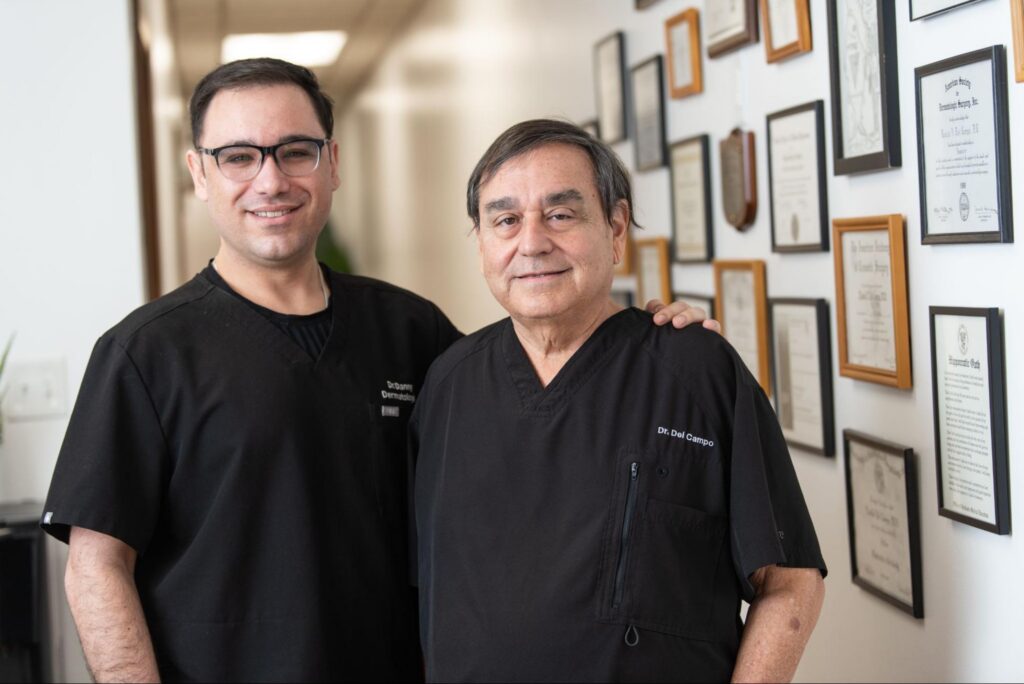
If you’ve noticed new white patches on your skin or have been living with vitiligo and want to explore the latest treatment options, scheduling an evaluation with Dr. Danny Del Campo or Dr. Danilo Del Campo is the best place to start.
At Chicago Skin Clinic, our team provides comprehensive evaluations and personalized treatment plans designed to help patients manage vitiligo with the latest evidence-based therapies.
Whether your condition is newly diagnosed or you’ve been searching for additional options after previous treatments, we’re committed to helping you find an approach that fits your individual needs.
Frequently Asked Questions
What is the newest treatment for vitiligo?
One of the newest advancements is Opzelura® (ruxolitinib cream), the first FDA-approved topical medication for repigmentation in nonsegmental vitiligo in patients 12 years and older. Many dermatologists also use combination approaches that pair topical medications with phototherapy to improve outcomes.
Can vitiligo be cured?
There is currently no permanent cure for vitiligo. However, many patients experience significant repigmentation and improved skin appearance with consistent treatment and ongoing dermatologic care.
Does phototherapy work for vitiligo?
Yes. Narrowband UVB phototherapy is considered one of the most effective treatments for widespread vitiligo and has helped many patients achieve meaningful repigmentation over time.
Is laser treatment painful?
No. Excimer laser treatments are generally well tolerated and are often described as quick and comfortable. Some patients may experience temporary redness similar to a mild sunburn after treatment.
How long does vitiligo treatment take?
Treatment timelines vary depending on the individual. Many patients begin noticing improvement after several months, but continued treatment may be needed to achieve optimal results.
Should I start treatment as soon as possible?
Early evaluation and treatment often provide the best opportunity to slow disease progression and encourage repigmentation, making it beneficial to consult a dermatologist soon after noticing new areas of pigment loss.
Will insurance cover vitiligo treatment?
Insurance coverage varies depending on your plan and the recommended treatment. Your dermatology provider can discuss available options and help determine which therapies may be covered.