 Chicago Location
 773-286-8111
 773-286-9213
 773-286-8111
 Make a Payment


Hair loss affects millions of Americans each year, and for many people, it can be a frustrating and emotional experience. Whether you’re noticing increased shedding in the shower, a widening part, thinning around your temples, or patchy areas of hair loss, understanding the underlying cause is the first step toward finding an effective solution.
At Chicago Skin Clinic, our board-certified dermatology team specializes in diagnosing and treating many forms of hair loss. Serving patients throughout Chicago, we understand that no two cases are alike. Hair loss can stem from genetics, hormonal changes, medical conditions, stress, nutritional deficiencies, medications, or inflammatory scalp disorders. That’s why a comprehensive evaluation by an experienced dermatologist is essential before starting treatment.
If you’re searching for effective hair loss treatment in Chicago, here’s what you should know about the common causes, available treatment options, and the questions you should ask your dermatologist.
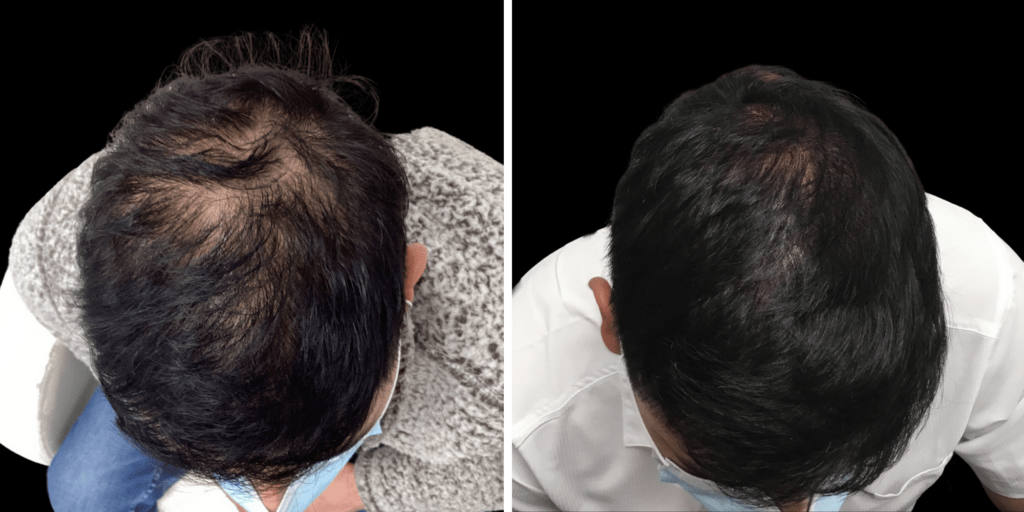
What Causes Hair Loss?
Hair naturally goes through cycles of growth, rest, and shedding. When that cycle is disrupted, excessive hair loss or thinning may occur. While some shedding is completely normal, losing more hair than usual or noticing visible thinning often signals an underlying issue.
Some of the most common causes include:
Androgenetic Alopecia (Pattern Hair Loss)
Often called male or female pattern baldness, this is the most common cause of hair loss. Genetics and hormones gradually shrink hair follicles, causing strands to become thinner over time until growth eventually stops.
This condition typically develops slowly, making early treatment especially important for preserving existing hair.
Telogen Effluvium
Stressful events such as illness, surgery, childbirth, rapid weight loss, or significant emotional stress can push a large number of hair follicles into the shedding phase simultaneously.
Many patients notice sudden hair shedding two to three months after the triggering event.
Alopecia Areata
This autoimmune condition causes the body’s immune system to attack healthy hair follicles, resulting in smooth, round patches of hair loss. In some cases, the condition may affect eyebrows, eyelashes, or larger portions of the scalp.
Hormonal Changes
Hormonal fluctuations associated with pregnancy, menopause, thyroid disorders, or conditions like polycystic ovary syndrome (PCOS) can contribute to thinning hair.
Nutritional Deficiencies
Low iron, vitamin D deficiency, inadequate protein intake, zinc deficiency, and certain vitamin deficiencies may affect healthy hair growth.
Scalp Conditions
Inflammatory skin conditions such as seborrheic dermatitis, psoriasis, fungal infections, or scarring alopecia can damage hair follicles if left untreated.
Why You Should See a Dermatologist for Hair Loss
Many over-the-counter hair growth products promise dramatic results, but treating hair loss without identifying the cause often leads to disappointment.
A dermatologist performs a thorough evaluation that may include:
- Medical history review
- Scalp examination
- Hair pull test
- Blood work when appropriate
- Scalp biopsy in select cases
This comprehensive approach allows your provider to determine why you’re losing hair and to recommend treatments supported by medical evidence.
At Chicago Skin Clinic, Dr. Danilo Del Campo and Dr. Danny Del Campo work closely with patients to develop individualized treatment plans based on the underlying diagnosis rather than simply treating symptoms.
Hair Loss Treatment Options Available
Treatment depends on the cause, severity, and duration of your hair loss. Many patients benefit from combining multiple therapies for the best possible results.
Prescription Medications
Prescription medications may help slow hair loss, reduce inflammation, and stimulate new growth, depending on your diagnosis. Your dermatologist will determine whether topical or oral medications are appropriate for your situation.
Platelet-Rich Plasma (PRP)
PRP therapy uses your body’s own growth factors to stimulate weakened hair follicles. After drawing a small amount of blood, the platelet-rich plasma is separated and injected into areas of thinning hair.
Many patients choose PRP because it is minimally invasive and uses their body’s natural healing properties.
Steroid Injections
Patients with alopecia areata often respond well to targeted corticosteroid injections that reduce inflammation around affected follicles.
Nutritional Support
When laboratory testing identifies vitamin or mineral deficiencies, correcting those deficiencies may significantly improve hair growth.
Treating Underlying Medical Conditions
Managing thyroid disease, hormonal imbalances, inflammatory scalp disorders, or autoimmune conditions is often necessary before healthy hair growth can return.
Can Hair Loss Be Reversed?
One of the most common questions patients ask is whether their hair will grow back.
The answer depends on the underlying cause.
Temporary forms of hair loss, such as telogen effluvium, often improve once the triggering factor resolves. Pattern hair loss can usually be slowed significantly and, in many cases, partially reversed when treatment begins early.
However, certain scarring forms of alopecia may cause permanent follicle damage if not diagnosed promptly. This is why early evaluation by a dermatologist is so important.
Questions to Ask Your Dermatologist About Hair Loss
Being prepared for your appointment helps ensure you receive the most personalized care possible.
Consider asking:
- What type of hair loss do I have?
- What is causing my hair to thin?
- Do I need blood work or additional testing?
- Which treatments are most effective for my condition?
- How long will it take to see results?
- Are there lifestyle changes that may help?
- What should I avoid to prevent worsening my hair loss?
- Will my hair continue to thin without treatment?
- How often should I follow up?
A knowledgeable dermatologist will explain your diagnosis, discuss realistic expectations, and develop a customized treatment plan tailored to your needs.
When Should You Seek Treatment?
Many people wait months, or even years, before seeking professional care. Unfortunately, delaying treatment may reduce the number of options available.
Schedule an evaluation if you notice:
- Increased daily shedding
- A widening hair part
- Receding hairline
- Thinning ponytail
- Bald patches
- Itchy or painful scalp
- Hair loss following illness or pregnancy that continues beyond several months
Earlier intervention often leads to better long-term outcomes.
Why Choose Chicago Skin Clinic for Hair Loss Treatment?
Patients throughout Chicago trust Chicago Skin Clinic because of our personalized approach to dermatologic care. Rather than offering one-size-fits-all solutions, our providers identify the underlying cause of your hair loss and develop evidence-based treatment plans designed specifically for you.
Our experienced team provides comprehensive medical dermatology services using the latest diagnostic techniques and treatment options. Whether your hair loss is caused by genetics, stress, hormones, or a medical condition, we’re committed to helping you restore both your hair and your confidence.
Led by Dr. Danilo Del Campo and Dr. Danny Del Campo, Chicago Skin Clinic has earned a reputation for compassionate, patient-centered dermatologic care for individuals and families across Chicago.
Schedule Your Appointment at Chicago Skin Clinic
If you’ve noticed thinning hair, excessive shedding, or bald patches, don’t wait for the problem to worsen. Early diagnosis can make a significant difference in preserving healthy hair growth.
Schedule Your Appointment at Chicago Skin Clinic by visiting our online booking page or contacting our office today. Our dermatology team is here to help you identify the cause of your hair loss and create a treatment plan that’s right for you.