 Chicago Location
 773-286-8111
 773-286-9213
 773-286-8111
 Make a Payment


When Psoriasis Needs a Specialist’s Care
You should see a psoriasis specialist in Chicago when over-the-counter creams stop working or when patches cover more than 3% of your body. It’s also time to call when your joints ache or stiffen, or when psoriasis disrupts your sleep, work, or confidence. Psoriasis is a chronic autoimmune condition, not just dry skin. At Chicago Skin Clinic, our board-certified dermatologists Dr. Danny Del Campo and Dr. Danilo Del Campo treat every type of psoriasis with proven medical therapies.
Early specialist care matters. Catching psoriasis sooner can lower your chances of developing psoriatic arthritis, joint damage, and long-term flare cycles that become harder to control over time. The right plan, started early, often means fewer flares, less scaling, and a clearer path to long-term skin health.
Understanding Psoriasis: Symptoms, Types, and Triggers
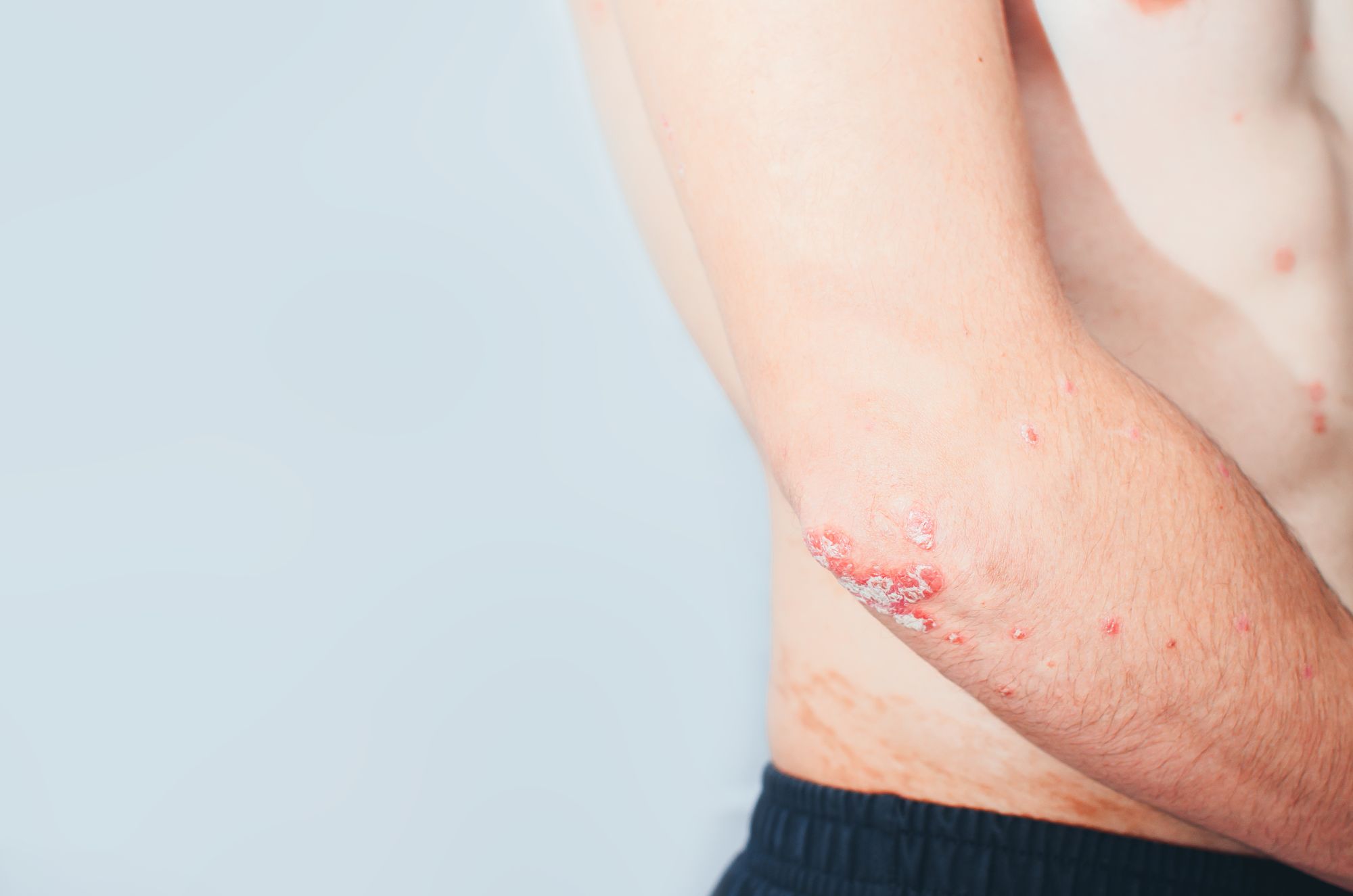
Psoriasis is an immune-mediated skin condition that causes your body to produce new skin cells far faster than normal. Instead of shedding every 28-30 days, affected cells build up in days, forming thick, scaly patches. It’s not contagious, not caused by poor hygiene, and not something you can scrub away with lotion alone.
What Is Psoriasis?
Psoriasis is a lifelong condition where an overactive immune system speeds up the skin cell life cycle. The result is raised plaques, silvery scale, and itching that can come and go in flare cycles. It often starts in early adulthood and runs in families, though it can appear at any age.
Common Symptoms to Watch For
- Raised, red plaques covered in silvery-white scales
- Dry, cracked skin that may itch, burn, or bleed
- Thickened, pitted, or ridged fingernails and toenails
- Stiff or swollen joints (a sign of psoriatic arthritis)
- Scalp flaking that extends past the hairline
The Five Main Types of Psoriasis
Common Triggers in Chicago
Chicago’s climate adds a unique layer of difficulty for psoriasis flares. Long winters, dry indoor heat, and sudden temperature swings can all set off symptoms. Other common triggers include:
- Stress and disrupted sleep
- Infections like strep throat
- Skin injuries, sunburns, or bug bites
- Smoking and heavy alcohol use
- Certain medications, including lithium and beta-blockers
How Psoriasis Differs from Eczema and Seborrheic Dermatitis
Psoriasis plaques tend to be thicker, drier, and more sharply defined than eczema, which is usually weepier and itchier. Seborrheic dermatitis on the scalp often looks like greasy yellow flakes, while scalp psoriasis is silvery and powdery. Because these conditions look similar but need different treatments, a board-certified dermatologist is the right person to make the call. Getting the right diagnosis early saves you weeks of trial and error with the wrong creams.
Psoriasis Treatment in Chicago: When to See a Dermatologist
See a dermatologist for psoriasis when home care isn’t enough. Book an appointment if OTC treatments haven’t helped after 2-4 weeks, if you notice joint pain or stiffness, if patches appear on sensitive areas like your face or genitals, or if your skin is spreading rapidly. A psoriasis specialist in Chicago can match you with prescription therapies that actually work for your type.
Four Red Flags That Mean It’s Time to Call
- OTC treatments aren’t working after 2-4 weeks. Hydrocortisone, salicylic acid, and coal tar shampoos help some mild cases, but moderate to severe psoriasis needs prescription-strength care.
- Joint pain, stiffness, or swelling. About 1 in 3 people with psoriasis develop psoriatic arthritis, according to the National Psoriasis Foundation. Early treatment helps protect your joints from permanent damage.
- Psoriasis on the face, scalp, hands, feet, or genitals. These areas need gentler, targeted therapies you can’t safely manage on your own.
- Rapid spreading, pustules, or fever. Widespread pustular or erythrodermic psoriasis is a medical emergency and needs same-week care.
Treatment Options at Chicago Skin Clinic
Our family-driven practice offers a range of psoriasis therapies, matched to your type and severity:
- Topical medications: prescription corticosteroids, vitamin D analogs, retinoids, and calcineurin inhibitors
- Phototherapy: narrow-band UVB and other medical light therapies that calm overactive skin cells
- Biologic medications: injectable therapies that target specific immune pathways behind psoriasis
- Oral systemic medications: including methotrexate, cyclosporine, and newer oral options
- Combination plans: layering therapies for stubborn or widespread cases
What to Expect at Your First Psoriasis Consultation
Your first visit starts with a full skin and nail exam, a review of your medical and family history, and a conversation about your triggers, lifestyle, and goals. Dr. Danny Del Campo or Dr. Danilo Del Campo will explain your psoriasis type, walk you through your treatment options, and build a plan that fits your skin and your schedule. You’ll leave with a clear next step, written instructions, and answers to every question you brought through the door.
Frequently Asked Questions About Psoriasis Treatment
Can psoriasis be cured?
No, psoriasis cannot be cured because it’s a chronic autoimmune condition. But it can be controlled, often very well. With the right treatment plan from a board-certified dermatologist, many people reach long stretches of clear or near-clear skin.
How long until psoriasis treatment shows results?
Most therapies start showing improvement within 2-12 weeks. Topical steroids may calm redness in days, phototherapy often takes 4-8 weeks of regular sessions, and biologics can take 12 weeks to reach full effect. Your dermatologist will set realistic timelines for your specific plan.
Is psoriasis contagious?
No, psoriasis is not contagious. You cannot catch it from someone else, and you cannot spread it through touch, sharing towels, or swimming pools. It’s driven by your immune system, not bacteria or a virus.
Does insurance cover psoriasis treatment?
Most insurance plans cover medical dermatology visits and prescription psoriasis treatments because psoriasis is a medical condition, not a cosmetic concern. Our team will help you understand your coverage before treatment begins.
What’s the difference between a dermatologist and a primary care doctor for psoriasis?
Your primary care doctor can diagnose mild psoriasis and prescribe basic treatments. A board-certified dermatologist has years of additional training in skin disease, access to advanced therapies like biologics and phototherapy, and the experience to manage moderate to severe cases that need more than a basic cream.
Can diet help psoriasis?
Anti-inflammatory eating patterns may help reduce flares for some people. Diets rich in vegetables, fatty fish, olive oil, and whole grains, while limiting alcohol, processed foods, and added sugar, are often recommended alongside medical treatment. Diet alone won’t replace therapy, but it can be a helpful piece of the plan.
Related Skin Conditions and Treatments
Psoriasis often overlaps with or mimics other skin conditions, and our team treats the full range at our Chicago office:
- Eczema treatment: similar itching and redness, but a different immune trigger and a different set of therapies, including topical steroids, barrier repair creams, and newer biologic options
- Psoriatic arthritis: when psoriasis affects joints, early co-management with your dermatologist and rheumatologist helps protect mobility and prevent long-term joint damage
- Scalp psoriasis vs. dandruff: scalp psoriasis needs medicated shampoos, topical solutions, and sometimes light therapy, while dandruff usually responds to OTC anti-fungal shampoos
- Phototherapy: a light-based option used for psoriasis, eczema, and vitiligo, delivered in controlled in-office sessions
- Medical dermatology services: including skin cancer screenings, acne care, rosacea evaluation, chronic rash workups, and nail disease assessment
If you’re not sure which condition you’re dealing with, that’s exactly what a consultation is for. Our team will pinpoint the diagnosis and map out next steps in a single visit.
Schedule Your Psoriasis Consultation in Chicago
Healthy skin starts here. Book a consultation with Dr. Danilo Del Campo or Dr. Danny Del Campo at Chicago Skin Clinic and get a treatment plan matched to your psoriasis type and skin. Our Chicago office at 5440 W Belmont Ave offers Saturday clinic availability, and most insurance plans cover medical dermatology visits.
Call 773-286-8111 or book your appointment online today.